

You scheduled your exterior painting project for a hot July afternoon, and now the paint is peeling off in sheets. What went wrong? The best time to paint house exterior surfaces depends on more than just your calendar—it depends on what the thermometer says. Understanding exterior house painting temperature requirements can mean the difference between a finish that lasts a decade and one that fails within months.
For homeowners in Columbia, SC, this matters more than you might think. Our region’s humid subtropical climate creates specific challenges that affect paint adhesion, drying times, and long-term durability. Painting at the wrong temperature doesn’t just waste your money—it can damage your home’s exterior and leave you starting over within a year or two.
Key Takeaways
What Is the Ideal Exterior Painting Temperature Range?
Paint manufacturers provide specific guidelines about what temperature to paint outside, and these recommendations exist for good reason. Most latex (water-based) paints perform best when applied in temperatures between 50°F and 85°F. Oil-based paints have a slightly wider range but still require moderate conditions.
The exterior painting temperature range matters because paint is essentially a chemical product that needs specific conditions to cure properly. When temperatures drop too low, the paint’s ingredients can’t bond together correctly. When it’s too hot, the paint dries on the surface before it has time to penetrate and adhere to your siding, brick, or wood.
Here’s what happens at different temperature extremes:
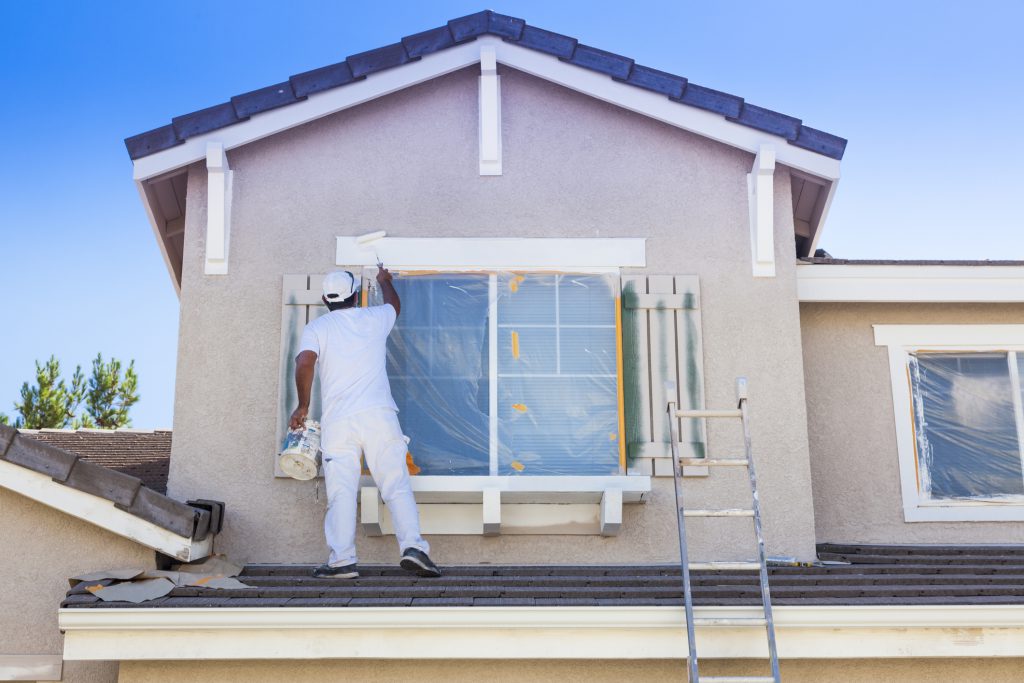
When to Paint House Exterior Temperature Conditions Are Right in Columbia
Columbia, SC sits in USDA Hardiness Zone 8a, with hot, humid summers and mild winters. This climate creates two prime windows for exterior house painting Columbia SC projects: late spring and early fall.
Summer painting isn’t impossible, but it requires careful timing. Professional crews often start at dawn to work during cooler morning hours, then stop work by early afternoon when temperatures peak. This approach works, but it extends project timelines and can increase labor costs.
Why Humidity Matters as Much as Exterior House Painting Temperature
Temperature gets most of the attention, but humidity plays an equally significant role in paint performance. Columbia averages relative humidity between 70% and 90% during summer months—conditions that can sabotage an otherwise well-planned paint job.
When humidity exceeds 85%, moisture in the air interferes with the paint’s ability to release water as it dries. The result is a soft, tacky finish that attracts dirt, resists curing, and fails prematurely. Even if the thermometer reads 75°F, high humidity can make painting inadvisable.
Professional painters check both temperature and humidity before starting work each day. They also monitor the dew point—the temperature at which moisture condenses on surfaces. If the dew point is within 5°F of the current temperature, surfaces may be too damp for paint adhesion.
The Ideal Weather for Exterior Painting: Beyond Just Temperature
Finding ideal weather for exterior painting means looking at the complete forecast, not just the current conditions. Paint needs time to cure, typically 24 to 48 hours minimum, without rain, extreme temperature swings, or frost.
Here’s what professional painters look for in a forecast:
This is why experienced painters in Columbia often book projects weeks in advance during prime seasons. They know the ideal weather for exterior painting windows are limited, and demand is high.
Surface Temperature vs. Air Temperature: A Detail Most Homeowners Miss
The thermometer on your porch might read 80°F, but the vinyl siding on your south-facing wall could be 30 degrees hotter. Surface temperature, not air temperature, determines whether paint will adhere and cure properly.
Dark-colored surfaces absorb more heat and can reach extreme temperatures even on mild days. Metal surfaces heat up faster than wood or vinyl. Brick and stucco retain heat longer into the evening hours.
Professional painters use infrared thermometers to check surface temperatures before applying paint. They plan their work to follow the shade around your home, painting east-facing walls in the morning before the sun heats them, then moving to west-facing walls in the afternoon as the east side cools.
This attention to surface conditions is one reason professional results outlast DIY projects. When you’re evaluating what temperature to paint outside, remember that the number on your weather app tells only part of the story.
Signs Your Paint Job Failed Due to Temperature Problems
How do you know if temperature caused your paint to fail? Look for these warning signs:
If you’re seeing these issues on a recent paint job, temperature or humidity during application is likely the culprit. A professional assessment can confirm the cause and recommend whether repair or full repainting is needed.
How Professional Painters Handle Exterior House Painting Temperature Challenges
Reputable painting contractors don’t just show up and start rolling. They build weather contingencies into every exterior project. Here’s how professionals approach exterior house painting temperature challenges:
When you’re comparing estimates for exterior house painting Columbia SC projects, ask contractors how they handle weather delays and temperature monitoring. Their answers will tell you a lot about their professionalism and the quality you can expect.
Get Your Exterior Painting Project Done Right
Temperature, humidity, and timing can make or break your exterior paint job. Getting these factors right means your home looks beautiful for years. Not months. Getting them wrong means starting over, spending more money, and dealing with the frustration of a failed project.
The best time to paint house exterior surfaces in Columbia is during our spring and fall windows, when the exterior painting temperature range and humidity levels align for lasting results. If you’re planning a project, now is the time to get on a professional painter’s schedule before prime season fills up.
Despres Painting helps Columbia homeowners time their projects for success. We monitor conditions daily, use professional-grade materials, and stand behind our work. Call 803-991-4774 today to schedule your free estimate and lock in your spot during ideal painting weather.