

House painting delays almost always come down to a small set of preventable house painting problems. After years of running Despres Painting and completing residential house painting projects throughout Irmo, SC, I can say this confidently: delays rarely happen because of paint. They happen because of decisions made before the first brush or sprayer ever touches the wall.
When these house painting problems are ignored or underestimated, homeowners face extended timelines, rising labor costs, repeated disruptions to their daily routine, and frustration that could have been avoided with proper planning.
This guide breaks down the most common house painting problems that cause costly delays, explains why they happen, and shows you how to prevent them before work begins.
Key Takeaways for Homeowners
-
Most house painting problems begin before painting starts
-
Moisture, surface damage, and weather are the most common hidden delay triggers
-
Poor scheduling and vague scopes create unnecessary downtime
-
The lowest bid often leads to the longest project timeline
-
Thorough inspections and written schedules significantly reduce delays
Poor Surface Preparation Is the #1 Cause of Painting Delays

Poor preparation is the most common and most expensive source of house painting problems. Paint is only as good as the surface it adheres to. When prep is rushed or skipped, everything that follows is compromised.
In many delayed projects we are called into, painting started on surfaces that should never have been painted yet. Once the issues become visible, work has to stop entirely.
Why Skipping Prep Work Stops Painting Mid-Project
Painting comes to an immediate halt when surfaces fail inspection. Peeling paint, rotted wood, grease buildup, or soft drywall cannot be painted over responsibly. Once these problems are discovered mid-project, crews must stop, reassess, and correct them before moving forward.
This creates cascading delays. Materials sit unused. Schedules are pushed. Homeowners end up paying for labor time that could have been avoided if prep was handled correctly from the start.
Common Surface Issues That Delay Residential Painting
Many homeowners do not realize how common these conditions are until walls are exposed under proper lighting:
- Peeling or flaking paint that was previously applied incorrectly
- Moisture-damaged drywall or wood that has lost structural integrity
- Cracks, nail pops, and uneven substrates that telegraph through new paint
- Mold or mildew growth hidden behind furniture or trim
- Chalky, oxidized, or dirty exterior surfaces that prevent adhesion
These are not cosmetic flaws. They are structural house painting problems that must be addressed before painting can continue.
For a deeper explanation of why this matters, see our breakdown.
How Professional Prep Prevents Timeline Extensions
Proper sanding, patching, cleaning, priming, and moisture testing ensure paint bonds correctly the first time. When prep is done right, painting moves forward without interruption.
At Despres Painting, we treat prep as a phase, not an afterthought. That approach alone eliminates a large percentage of preventable house painting problems.
Hidden Moisture Problems That Halt Painting Work
Moisture is one of the most damaging house painting problems because it forces work to stop immediately, no exceptions.
Why Moisture Is a Deal-Breaker for Paint Application
Paint applied over damp surfaces traps moisture beneath the coating. As that moisture tries to escape, it causes blistering, peeling, bubbling, and premature failure. That is why manufacturers set strict moisture limits that professional painters must follow.
If moisture levels exceed those limits, painting stops. Continuing would guarantee failure and rework.
How Moisture Testing Prevents Costly Delays
Moisture meters and visual inspections performed before scheduling allow these problems to be identified early. Fixing moisture issues upfront prevents mid-project shutdowns, wasted materials, and extended timelines.
Weather Conditions That Disrupt House Painting Schedules
Weather-driven house painting problems affect more than just exterior projects, especially in regions like Irmo, SC where humidity and temperature swings are common.
Temperature Limits That Affect Paint Drying
Paint must be applied and cured within specific temperature ranges. Cold slows drying and curing. Excessive heat causes paint to dry too fast, preventing proper bonding. Rapid temperature changes create adhesion failures that show up weeks later.
When weather is ignored during scheduling, delays and rework become unavoidable.
Rain, Humidity, and Wind Impacts on Exterior Painting
- Rain delays surface drying and can wash uncured paint away.
- High humidity slows cure times and traps moisture.
- Wind introduces debris, dust, and uneven finishes.
Each of these conditions can force pauses or complete rescheduling.
How Experienced Contractors Plan Around Weather
Professional painters build weather buffers into schedules and select season-appropriate products. This planning reduces weather-related house painting problems and keeps projects moving safely and predictably.
Material and Paint Supply Issues That Stall Projects

Material availability has become a more common source of house painting problems in recent years.
Why Custom Colors and Specialty Coatings Cause Delays
Custom colors, specialty finishes, and low-VOC paints often require longer lead times. If those products are not ordered early, painting stops while everyone waits for delivery.
Paint Shortages and Discontinued Products
Supply chain disruptions and discontinued product lines can halt projects mid-stream. Without approved substitutions, crews cannot proceed.
How Advance Ordering Prevents Timeline Disruptions
Professional house painting contractors confirm product availability before scheduling and maintain supplier relationships to avoid preventable delays.
Poor Project Scheduling and Crew Availability Problems
Scheduling failures are among the most frustrating house painting problems homeowners experience.
Overbooked Contractors and Unrealistic Timelines
Some contractors overpromise and stack projects too tightly. When one project runs long, every job behind it suffers. Homeowners are left waiting with little explanation.
Why Crew Size Impacts Completion Speed
Understaffed crews take longer to prep, paint, and clean. That increases downtime between phases and stretches timelines unnecessarily.
What a Realistic Painting Schedule Should Include
A professional house painting schedule includes prep days, drying and curing time, weather contingencies, and final inspections. Without those elements, delays are inevitable.
Scope Changes and Last-Minute Requests That Extend Timelines
Scope changes are one of the most underestimated house painting problems homeowners encounter. From the homeowner’s perspective, a change often feels minor. From the contractor’s perspective, that change can reset multiple parts of the schedule, including materials, labor allocation, and drying timelines.
In professional house painting projects, everything is sequenced. Prep leads to priming. Priming leads to coating. Coating leads to curing. When the scope changes midstream, that sequence is disrupted, and delays become unavoidable.
How Small Changes Create Big Delays
Adding a room, extending painting to a hallway, or upgrading from a standard finish to a specialty coating sounds simple. In reality, it requires additional materials, revised prep work, and often rescheduling labor that was already committed elsewhere.
These adjustments also affect drying and cure windows. Even a one-day scope change can cascade into a multi-day delay, which is why scope creep is one of the most common house painting problems we see after projects have already started.
Why Color Changes Are Especially Disruptive
Color changes are uniquely disruptive because paint color is tied directly to coverage, primer requirements, and coat count. A darker or more saturated color may require additional coats or a different primer altogether.
When a color change happens mid-project, previously painted areas may need to be sanded, reprimed, and repainted. That resets drying and curing times and often forces crews to wait before proceeding. This is a classic example of how a seemingly small decision can create major house painting problems.
How Clear Scopes Keep Projects on Track
Clear, written scopes protect both homeowners and contractors. When rooms, surfaces, colors, and finishes are finalized before work begins, schedules remain stable and predictable.
At Despres Painting, we require written change orders for any scope adjustment. This process keeps expectations aligned and prevents timeline creep, which is one of the most expensive and frustrating house painting problems for homeowners.
Communication Breakdowns Between Homeowners and Painters
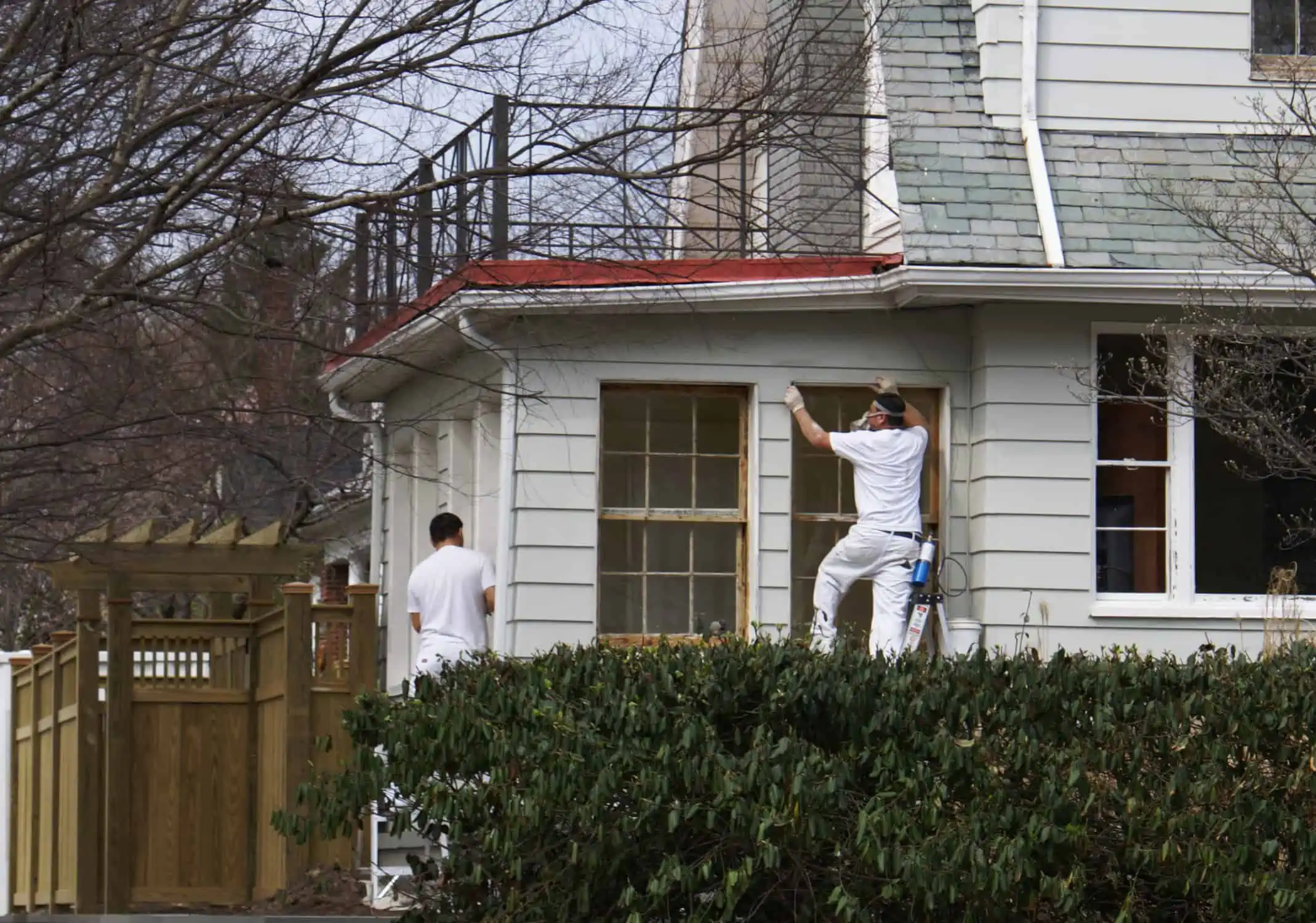
Not all house painting problems are technical. Many delays are caused by simple communication breakdowns that could have been avoided with clearer expectations on both sides.
Painting projects involve daily coordination. When that coordination fails, even experienced crews can be forced to stop work unnecessarily.
Missed Expectations That Lead to Work Stoppages
Unclear expectations around access, furniture movement, pets, or work hours regularly cause delays. Crews arrive ready to work but cannot start because rooms are not cleared or areas are inaccessible.
These stoppages may only last a few hours, but they add up quickly. Over the course of a project, poor communication becomes a recurring source of house painting problems that stretch timelines beyond what was originally planned.
Why Daily Updates Matter in Painting Projects
Daily updates keep small issues from turning into major delays. When homeowners know what will be painted next, they can prepare spaces accordingly and avoid last-minute disruptions.
Silence creates uncertainty. Uncertainty leads to assumptions. Assumptions often result in preventable house painting problems that slow progress.
How Professional Communication Prevents Delays
Professional contractors establish clear points of contact, written schedules, and regular progress updates. This structure allows issues to be addressed immediately rather than discovered after work has stopped.
Consistent communication is one of the simplest and most effective ways to prevent avoidable house painting problems.
Inadequate Repairs Discovered After Painting Begins
Paint is not a repair material. When underlying problems are discovered after painting starts, work must stop until those issues are resolved.
This is one of the most disruptive house painting problems because it often requires a complete shift in scope and scheduling.
Why Structural and Substrate Issues Stop Work
Rotten wood, failing drywall, and unstable substrates cannot be painted responsibly. Continuing without repairs guarantees failure, peeling, and premature repainting.
Once these issues are identified, painting pauses while repairs are completed. That pause impacts labor schedules, material staging, and completion timelines.
Common Repairs Found Too Late
Some of the most common repairs discovered mid-project include:
-
Rotted trim or siding hidden beneath old paint
-
Loose or damaged drywall seams
-
Failed caulking and sealants
-
Cracked or deteriorated stucco and masonry
Each of these creates avoidable house painting problems when not identified during the initial inspection.
Pre-Project Inspections That Save Time
Thorough inspections before scheduling allow repairs to be addressed without interrupting painting. This keeps the workflow intact and prevents mid-project surprises.
At Despres Painting, we treat inspections as a critical planning phase, not a formality. That approach eliminates many of the repair-related house painting problems homeowners experience.
Low-Quality Contractors and Inexperienced Crews
Choosing the wrong contractor creates more house painting problems than weather, materials, or scheduling combined.
Inexperience shows up quickly on a job site, and its impact is almost always delays.
How Inexperience Leads to Rework and Delays
Inexperienced crews make mistakes. Missed prep steps, uneven application, and incorrect product use require sanding, repainting, and additional drying time.
Every correction extends the schedule. Over time, these small errors compound into significant house painting problems that frustrate homeowners and inflate costs.
Red Flags That Signal Future Delays
Certain warning signs almost always indicate future problems:
-
No written timeline or scope
-
Vague descriptions of prep work
-
Extremely low bids that ignore labor realities
-
No warranty or quality standards
These red flags often lead to repeated delays and rework.
Why Professional Standards Matter for Timelines
Experienced contractors follow documented safety and quality standards, including OSHA Painting Standards. These standards exist for a reason. They protect workers, homeowners, and project timelines.
Professional standards reduce guesswork, prevent mistakes, and minimize the house painting problems that cause delays.
How Homeowners Can Prevent Painting Delays Before They Start
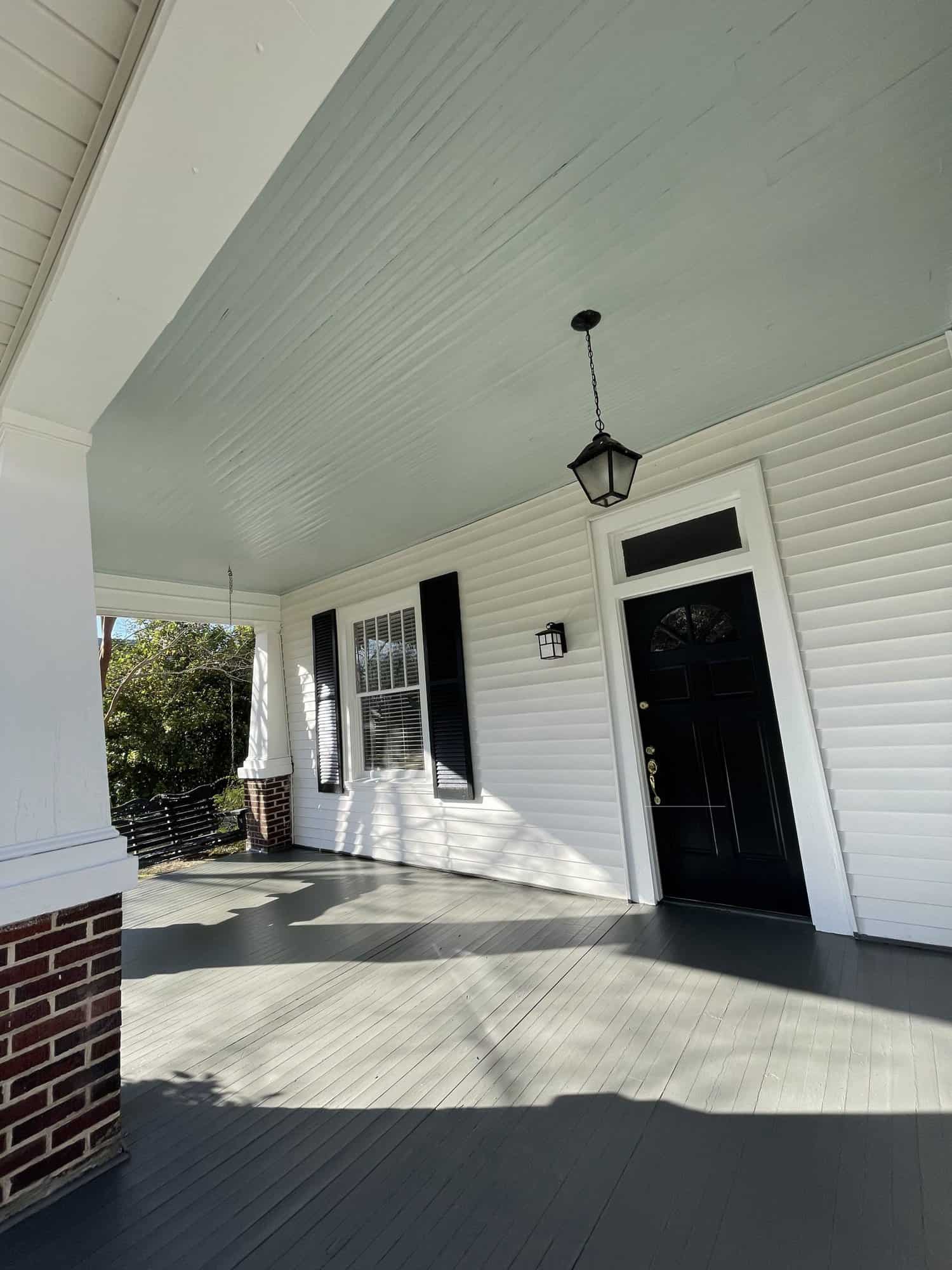
Most house painting problems are preventable with better decisions made before the project begins.
Preparation is not just the contractor’s responsibility. Homeowners play a critical role in keeping projects on schedule.
Questions to Ask Before Hiring a Painting Contractor
Homeowners should ask how surface prep is handled, how weather is accounted for, and how materials are sourced. Clear answers reveal whether a contractor plans proactively or reacts to problems after they occur.
These conversations surface potential house painting problems before they become real delays.
What to Look for in a Painting Proposal
A strong proposal clearly defines scope, prep requirements, timelines, and change-order processes. It leaves little room for assumptions.
When expectations are documented, delays caused by confusion or disagreement are far less likely.
Why Preparation Is the Homeowner’s Responsibility Too
Clearing rooms, confirming colors early, and providing reliable access allow your house painting crew to work efficiently.
When homeowners and contractors work as partners, most house painting problems never materialize.
Painting Delays Are Preventable With the Right Planning
Most house painting problems that cause costly delays are completely preventable. With proper inspections, realistic scheduling, clear communication, and an experienced contractor, painting stays on track, costs stay controlled, and results last longer.
That is how we approach every project at Despres Painting, especially for homeowners in Irmo, SC who want it done right the first time.