

Paint does more than change the color of a home. It protects siding, wood, and masonry from weather, moisture, and everyday wear. That is one reason many homeowners are starting to ask about sustainable painting practices before starting a project.
Sustainable painting practices focus on using products and processes that reduce waste, improve air quality, and help coatings last longer. When a paint system performs well for many years, fewer materials are needed over time, which benefits both the home and the environment.
Key Takeaways:
What Sustainable Painting Practices Really Mean
The phrase sustainable painting practices can sound complicated at first. In simple terms, it means approaching painting with long-term performance and environmental impact in mind.
Paint that lasts longer means fewer repaints. Fewer repaints mean less material use, less labor, and less waste going into landfills.
Sustainable painting practices usually focus on three areas:
- Better paint products
- Proper preparation
- Responsible use of materials
These steps may sound basic, but together they make a noticeable difference in how long a paint system performs.
Why Low VOC Paint Matters For Homes
One of the biggest changes in the paint industry has been the shift toward low VOC products. VOC stands for volatile organic compounds. These chemicals are released into the air as the paint dries.
Traditional paints contained higher levels of VOCs, which could affect indoor air quality. Today, many manufacturers produce low-VOC or zero-VOC options that perform very well on interior and exterior surfaces.
Benefits of these paints include:
- Reduced odor during painting
- Better indoor air quality
- Lower environmental impact
Most modern acrylic paint products are now formulated with lower VOC levels, which makes them a common choice for sustainable painting practices.
Preparation Plays A Bigger Role Than Most People Realize
Paint rarely fails because of the paint itself. In many cases, the problem starts with poor preparation.
Sustainable painting practices put strong emphasis on preparing surfaces correctly before any coating is applied. This helps paint bond better and last longer.
Preparation often includes steps like:
- Cleaning dirt and mildew from siding or walls
- Removing loose paint through sanding or scraping
- Filling cracks with caulk
- Repairing small surface damage
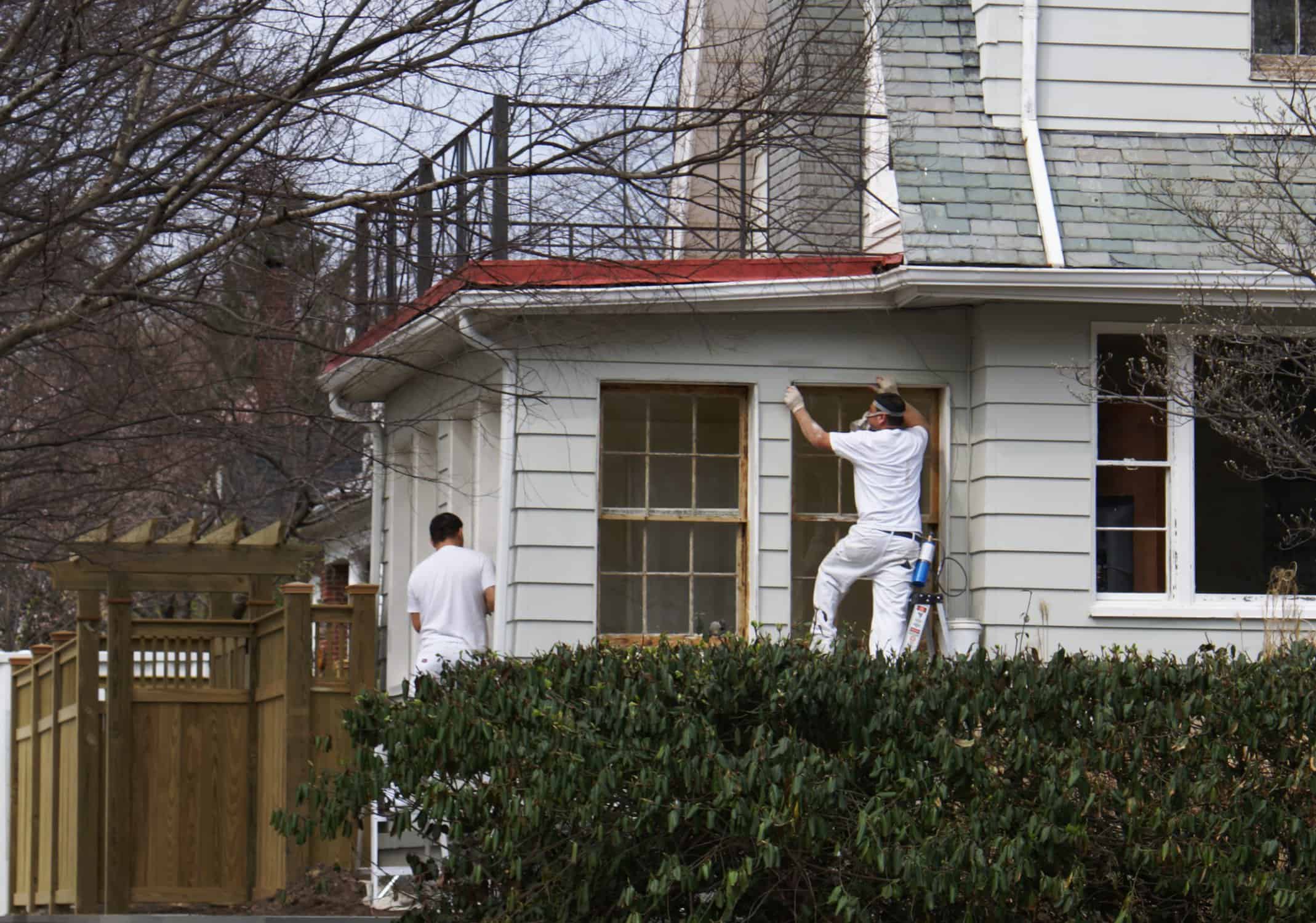
These steps may add time at the start of a house-painting project, but they help prevent peeling and early paint failure.
Good preparation also improves paint adhesion, which is a major factor in how long a coating system performs.
The Role Of Primer In Sustainable Painting
Primer is often overlooked, but it plays a big part in sustainable painting practices. A quality primer helps paint bond to surfaces such as wood, drywall, brick, or concrete.
Without primer, paint may struggle to stick properly, especially on new or repaired surfaces.
Primer also helps with:
- Blocking stains
- Creating a uniform surface
- Improving durability of the finish coat
In many cases, painters will use specialized primers depending on the material. For example, a masonry surface like stucco or brick may require a different primer than wood siding.
Taking the time to use the correct primer can extend the life of a paint system by several years.
Choosing The Right Paint Finish
Not all paint finishes perform the same. The finish or sheen of paint affects both durability and maintenance.
For sustainable painting practices, the goal is to select finishes that hold up well in the areas where they are used.
Common finishes include:
- Eggshell for many interior walls
- Satin for spaces that see more use
- Gloss or semi gloss for trim and doors
Exterior surfaces often benefit from durable finishes designed to handle weather exposure. These coatings help protect siding, trim, and masonry from moisture and sunlight.
The right finish reduces the chance of repainting sooner than necessary.
Why Durability Is A Big Part Of Sustainability
When people hear the word sustainable, they often think about environmentally friendly products. That is only part of the story.
Durability is just as important.
If a paint job fails in three years instead of ten, the home will require additional materials, labor, and preparation to repaint the surface. Over time that creates far more waste.
Sustainable painting practices focus on using paint systems that last longer. This includes selecting products designed for specific surfaces like:
- Concrete and masonry
- Wood siding
- Metal surfaces
- Porches and decks
Paints designed for these surfaces are built to handle moisture, sun exposure, and temperature changes.
Responsible Use Of Paint And Materials
Another part of sustainable painting practices involves using materials carefully so less goes to waste.
Professional painters typically estimate the amount of paint required for a project before work begins. This helps prevent buying far more material than needed.
Leftover paint can often be saved for touch-ups later, which helps maintain the appearance of a home without needing to repaint entire areas.
Painters also pay attention to cleaning and storage so brushes, rollers, and other tools can be reused across multiple projects.
A Smarter Way To Approach Painting Projects
The goal of sustainable painting practices is not to complicate painting projects. Instead, it focuses on making thoughtful choices that improve long-term performance.
Small decisions like choosing the right primer, selecting durable finishes, and preparing surfaces correctly can extend the life of a coating system by several years.
Over time, that approach reduces waste, protects building materials, and keeps homes looking well-maintained.
How Our Painting Process Supports Sustainable Painting Practices
Sustainable painting practices work best when every part of the project is planned with durability in mind. At Despres Painting, we approach each project with that goal.
Instead of rushing through the process, our team focuses on preparation, product selection, and proper application. These steps help create paint systems that perform well over time.
Our process typically includes:
- Careful inspection of siding, wood, masonry, and other surfaces
- Surface preparation, including cleaning, sanding, and repairs
- Applying primer where needed for proper adhesion
- Using durable acrylic and low-VOC coatings
- Applying multiple coats for lasting protection
When these steps come together, the result is a paint system designed to last.
If you are interested in learning how sustainable painting practices can improve the longevity of your home’s paint system, Despres Painting would be glad to help. Our team serves Columbia, SC and the surrounding areas with a thoughtful approach to preparation and coating systems.
Call 803-991-4774 today for a FREE estimate and learn how the right painting process can help protect your home for years to come.