

You’re standing in your living room, paint roller in hand, wondering if you’ll need to coat these walls twice—or can you get away with one? Every interior painter knows this question, and the answer affects your timeline, budget, and final results.
Here’s the truth: how many coats of paint are needed depends on several factors specific to your home. From the color you’re covering to the quality of paint you choose, understanding what affects coverage helps you plan your project correctly. For Columbia, SC homeowners, humidity and local climate add another layer to consider when determining how many coats of paint are needed for lasting results.
Key Takeaways
- Two coats of paint usually ensure a professional-looking, durable finish.
- Dramatic color changes require multiple coats..
High-quality paint offers better coverage in fewer coats.
- Surface preparation determines success—properly primed walls need fewer coats.
- Columbia’s humidity increases drying time between coats..
Why Two Coats Are Standard for Interior House Painting
Walk into any professional paint job, and you’re seeing the result of at least two coats. There’s a reason professional painters recommend this approach: one coat rarely provides the coverage, protection, or finish you want.
The first coat seals the surface and provides a base. The second coat delivers the color depth and smooth finish you expect. When interior painters apply only one coat, you’ll often see streaks, uneven color, and transparent patches where the old paint shows through.
Think of painting like building a house. You wouldn’t skip the foundation just to save time. The same logic applies to how many coats of paint are needed—each layer serves a purpose.

What Determines How Many Coats of Paint Are Needed?
Several factors affect coverage requirements for interior house painting in Columbia, SC.
Columbia’s Climate Factors for Interior Painting
Living in Columbia, SC, means dealing with high humidity levels that affect paint drying and curing. Interior painters in the area take these conditions into account when determining the number of coats of paint needed and scheduling their work.
When One Coat Might Work
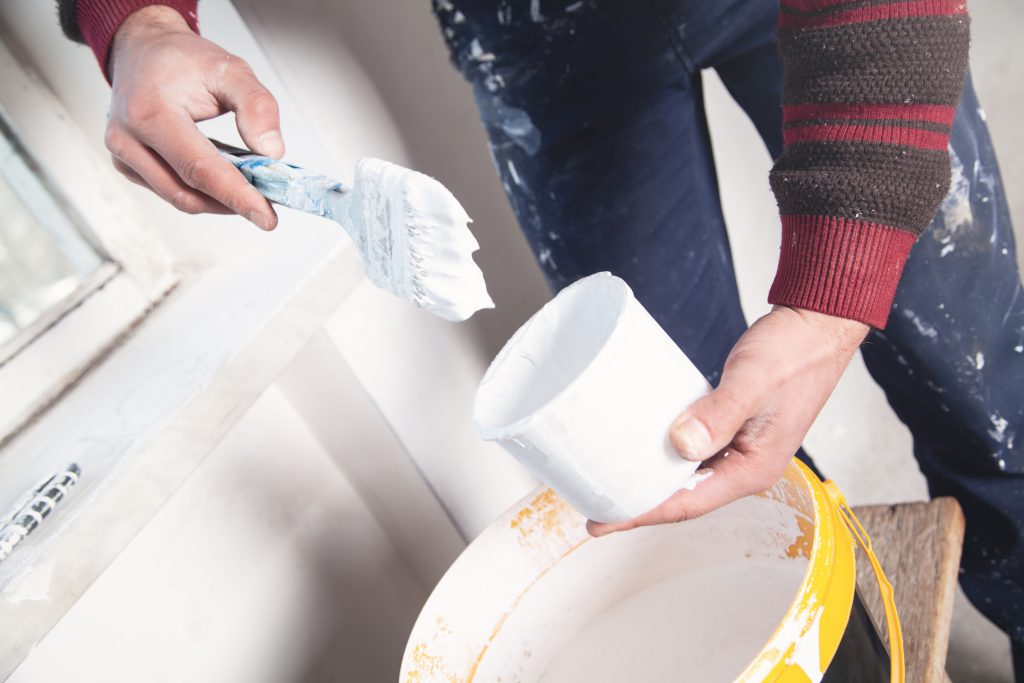
Few situations allow successful one-coat painting, but they exist. If you’re repainting the same color over walls in excellent condition, using premium paint, one coat might suffice. However, even professional painters who market one-coat solutions typically apply two coats in practice.
Paint-and-primer combinations promise one-coat coverage, but results vary. These products work best when:
- You’re painting light over light colors.
- The walls are in perfect condition, with no visible signs of repair.
- You’re not concerned with achieving showroom-perfect results.
- You’re painting small touch-up areas rather than entire rooms.
For most interior house painting projects, planning for two coats protects your investment and delivers results worth showing off.
The Cost of Skipping That Second Coat
Homeowners trying to save money often consider stopping after one coat. This decision backfires more often than it saves anything.
Primer: The Often-Forgotten First Layer
Primer isn’t a coat of paint—it’s a separate product that serves specific purposes. When calculating the number of coats of paint needed, don’t count primer as your first coat.
When Primer Is Non-Negotiable
Several situations require primer before painting:
New drywall or repairs. Unprimed drywall creates uneven absorption.
Dramatic color changes. Primer blocks the old color from showing through.
Stained or damaged walls. Primer seals stains and prevents bleed-through.
Glossy existing paint. Primer helps new paint adhere to slick surfaces.
Painting companies near me automatically include primer in their proposals when needed. Skipping this step can cause problems that additional coats won’t resolve.
How Primer Reduces Paint Coats Needed
A quality primer creates a uniform surface for paint to adhere to. This means better coverage with fewer topcoats. You’ll use less paint overall and achieve better results than painting without primer, even if you apply extra coats.
For interior house painting in Columbia, SC, primer also helps protect against the humidity-related adhesion issues common in our climate.

Professional Painting vs. DIY: Coat Considerations
Experienced interior painters often achieve the same results in two coats that homeowners struggle to accomplish in three. Their technique, tools, and product knowledge make a measurable difference.
Get Professional Results Without Professional Headaches
You’ve learned that how many coats of paint are needed depends on your specific situation, but two coats remain the gold standard for interior house painting. From color changes to surface preparation, multiple factors affect your project’s success.
Columbia’s humid climate adds complexity that many homeowners underestimate. The difference between a good paint job and a great one often comes down to proper technique, quality materials, and patience between coats.
Ready to transform your Columbia home with interior painting that looks professionally done? Stop searching for “painting companies near me” and call Despres Painting at 803-991-4774 today. Our experienced interior painters take the guesswork out of determining the number of coats of paint needed, delivering beautiful, durable results backed by years of local expertise. We handle everything from surface preparation to final coat—you just enjoy your refreshed home.