

Oil-based paints are often seen as a relic from a bygone era of painting. Yet, after decades in the industry, I can tell you they still have a place—just not everywhere. Oil-based paints remain one of the most durable, hard-wearing coatings available, particularly for interior painting projects in Columbia, SC, where high-traffic areas and frequent touching demand toughness. But they also come with trade-offs: long drying times, strong odors, complex cleanup, and tighter regulatory restrictions.
If you’re considering oil-based paints for your next project, this guide will give you a candid breakdown of when they make sense, when they don’t, and what you need to know to avoid common pitfalls.
Key Takeaways
-
Oil-based paints offer superior durability, leveling, and adhesion compared to most latex paints.
-
They perform best on trim, doors, cabinets, and high-touch interior surfaces.
-
Drying times are significantly longer, often 8–24 hours per coat.
-
Cleanup requires solvents like mineral spirits, not water.
-
VOC regulations limit availability in many regions.
-
Improper use can lead to yellowing, cracking, or lingering odors.
-
Professional application often delivers far better results due to handling complexity.
What Is Oil-Based Paint?

White and green classic wall background, brown parquet floor. Sunlight on wall
Basic Composition and How It Works
Oil-based paints rely on alkyd or natural oil binders rather than water. Pigments are suspended in the oil, which hardens over time through oxidation. Unlike water-based paints, which cure mainly through evaporation, oil-based coatings cure chemically, forming a tough, enamel-like layer. This unique chemistry is why oil-based paints remain a go-to for high-wear areas.
How Oil-Based Paint Differs From Water-Based Paint
The differences are significant:
-
Slower drying and curing process
-
Forms a hard, durable finish
-
Less flexible once cured
-
Superior resistance to scuffs, moisture, and abrasion
These traits make oil-based paints ideal for doors, trim, and stair railings, but less suited for large walls or quick-turn projects.
Where Oil-Based Paint Is Commonly Used Today
Interior Applications
-
Doors and door frames
-
Window trim and casings
-
Cabinets and built-ins
-
Stair railings and handrails
In Columbia, SC, homeowners and businesses often choose oil-based paints for interior painting because it holds up exceptionally well in high-traffic areas.
Exterior and Specialty Applications
-
Metal railings and fences
-
Industrial doors and equipment
-
Rust-prone steel surfaces
-
High-wear exterior trim
When using oil-based exterior paint outdoors, consider factors like exterior house painting temperature, as it significantly affects drying and performance.
Situations Where Oil-Based Paint Is No Longer Recommended
-
Large interior walls
-
Poorly ventilated areas
-
Fast-turnaround projects
-
Homes with children or sensitive occupants
These limitations make modern waterborne alternatives more attractive for everyday use.
The 7 Powerful Pros of Oil-Based Paint

1. Exceptional Durability
Nothing beats oil-based paint durability in high-abuse areas. Doors, cabinets, and trim coated with oil-based enamel resist frequent touching, impact, and abrasion far better than latex.
2. Superior Leveling and Smooth Finish
Oil-based paints naturally level out brush and roller marks, producing a factory-smooth finish, especially on doors and trim.
3. Excellent Adhesion to Challenging Surfaces
They bond well to bare wood, metal, and previously painted oil surfaces. This reduces peeling risks when surfaces are prepared correctly.
4. Strong Moisture and Stain Resistance
Oil-based interior paint is superior at blocking tannin bleed, water stains, and general moisture intrusion.
5. Longer Lifespan in High-Abuse Areas
Because of its toughness, oil-based paint often lasts longer before needing a repaint, making it ideal for areas where maintenance cycles are extended.
6. Better Performance in Temperature Extremes
Less sensitive to temperature swings during curing, oil-based paints remain a preferred choice for industrial and commercial applications.
7. Proven Track Record in Professional Painting
Decades of field-tested reliability make oil-based enamel paint a specified standard in certain commercial, historical, and high-wear projects.
The Costly Cons of Oil-Based Paint
1. Long Drying and Recoat Times
Touch-dry can take 8–12 hours, with full cure extending over several days. This slows project timelines considerably.
2. Strong Odor and VOC Emissions
Oil-based paints have higher VOC content than water-based alternatives. Proper ventilation is essential, and lingering odors can last for days. For more on safety, consult EPA standards for paints, coatings, and other solvents.
3. Regulatory Restrictions and Limited Availability
Many regions restrict or ban traditional oil-based formulas, limiting color and finish choices.
4. Difficult Cleanup and Disposal
Cleanup requires mineral spirits or paint thinner. Improper disposal can harm the environment.
5. Yellowing Over Time
Particularly noticeable on whites and light colors, yellowing accelerates in low-light conditions.
6. Less Flexibility as Surfaces Move
Wood expansion and contraction can cause cracking or peeling in oil-based coatings.
7. Higher Labor and Application Costs
Slower application and more intricate techniques increase labor costs, especially on large interior painting projects in Columbia, SC.
Oil-Based Paint vs Latex Paint: A Practical Comparison

Performance Differences That Matter to Property Owners
Durability and finish quality often favor oil-based paints, while latex excels in flexibility and ease of use.
Maintenance and Repainting Considerations
Oil-based coatings often require careful surface prep before recoating. Maintenance costs are higher if applied incorrectly.
When Latex Paint Has Caught Up or Surpassed Oil
Modern waterborne enamels and acrylic trims now match—or even exceed—some oil-based benefits for interior doors, trim, and cabinets.
When Oil-Based Paint Is Still the Right Choice
There are still situations where oil-based paints are the superior choice, particularly in high-traffic areas, historic properties, and specialized industrial applications. In commercial spaces with frequent use—like retail doors, office entryways, and shared facilities—the durability of oil-based coatings makes them ideal for resisting scuffs, scratches, and other wear.
For older or historic homes, oil-based paints are often necessary to ensure compatibility with existing finishes and to preserve the original character of trim and doors.
Additionally, specialized applications, such as metal railings, industrial doors, or mechanical equipment, demand the corrosion resistance and toughness that oil-based exterior paint provides, making it a trusted option for both interior and exterior high-abuse surfaces.
Professional Application vs DIY: Why It Matters More With Oil-Based Paint
Successfully applying oil-based paints requires more than just brushing on a coat—it demands careful preparation, precise technique, and attention to safety. Surface prep is non-negotiable: sanding, deglossing, and priming are essential for proper adhesion, while controlling moisture and temperature ensures the finish cures correctly.
Application technique also plays a critical role. Brush selection, stroke consistency, and proper handling of rollers all affect leveling, flow, and the avoidance of lap marks or sags, which are much more noticeable on oil-based coatings. Health and safety considerations further complicate DIY projects.
High VOC content and strong fumes require adequate ventilation and personal protective equipment, and strict adherence to EPA standards for paints, coatings, and other solvents is necessary to avoid environmental and legal issues. For these reasons, hiring a professional often ensures a cleaner, more durable result while reducing the risks associated with improper application.
Are There Modern Alternatives to Oil-Based Paint?
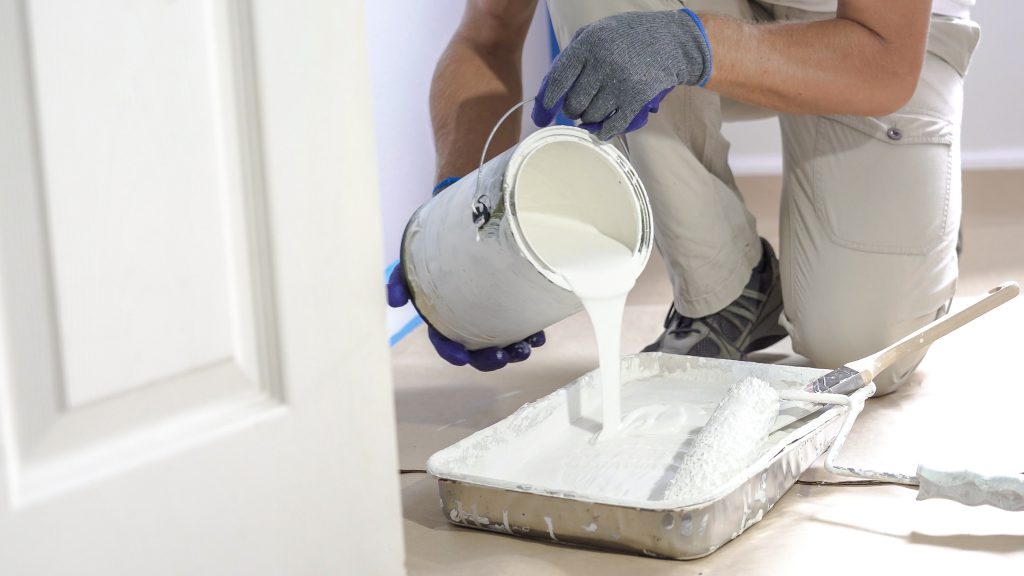
Modern paint technology has introduced options that mimic the benefits of oil-based paints while reducing some of their drawbacks. Waterborne alkyd and hybrid enamels, for example, provide the smooth, hard finish typical of oil-based coatings but with lower VOC levels and water cleanup. High-performance acrylic trim paints are another alternative, offering improved durability, excellent adhesion, and faster drying times compared with traditional oils.
These options make more sense in situations where speed, ventilation, and indoor air quality are concerns—residential interiors, fast-turn projects, or occupied buildings can often achieve similar results without the complications of traditional oil-based products. While oil-based paints remain unmatched for certain high-abuse or historic applications, these modern alternatives now cover most everyday interior painting needs in Columbia, SC.
Final Verdict: Should You Use Oil-Based Paint?
Oil-based paints remain invaluable for trim, doors, metal, and high-abuse areas. But for most walls, residential interiors, and fast-turn projects in Columbia, SC, modern alternatives deliver comparable results with fewer drawbacks. The key is choosing paint based on project-specific needs—not simply tradition.