

Choosing the right exterior paint color for your home can be both exciting and overwhelming. It’s a big decision — one that will impact the curb appeal of your house for years to come. But what if the color you picked online or from a small chip looks totally different once it’s on your entire home? Or worse, what if it clashes with your roof, driveway, or the beautiful landscaping you’ve worked so hard on?
This guide is designed to walk you through the best ways to test paint colors on your home’s exterior so that you can be confident in your decision and love the results.
Why You Should Always Test Paint Colors First
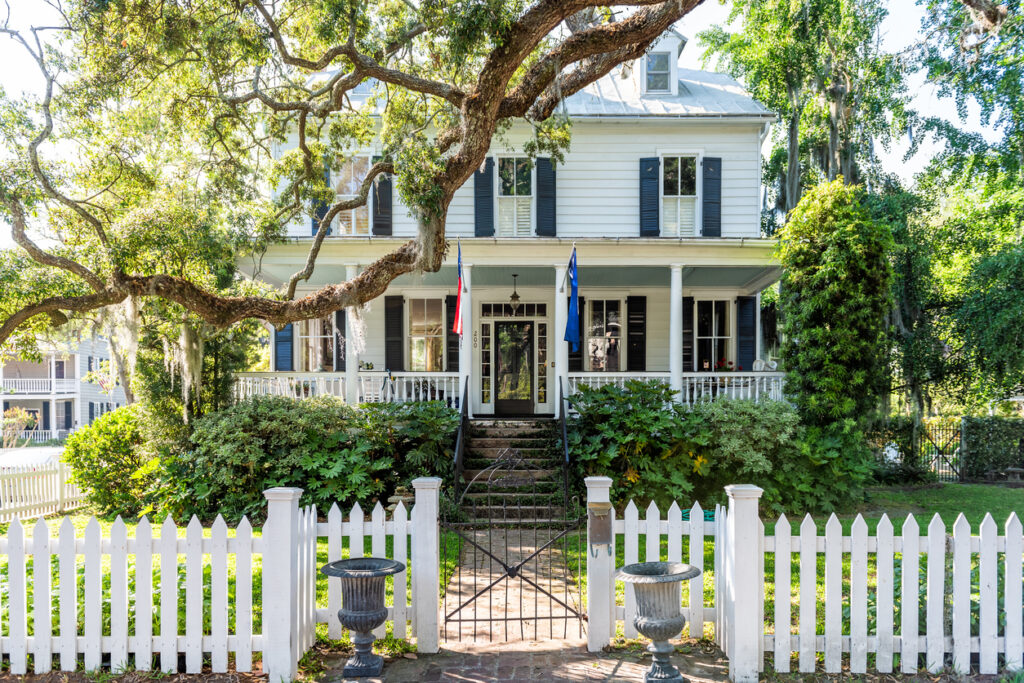
You might be tempted to pick a color straight from a sample swatch or online picture and start painting, but paint chips can be deceiving. Here’s why testing is crucial:
-
Paint Chips Lie: A small sample might look great on a tiny chip, but once it’s on a large exterior surface, it can look drastically different.
-
Lighting Changes Everything: Natural light shifts throughout the day, which can make your color look entirely different depending on the time of day.
-
Material Texture Matters: Whether you have brick, wood, stucco, or vinyl siding, the texture of your materials will impact how the paint absorbs and reflects light.
-
Emotional Investment: You’ll live with your paint choice for years, so taking the time to test colors will ensure you’re thrilled with your decision.
In Columbia, SC, where the weather can shift from hot summers to cooler, rainy winters, your exterior paint needs to not only look good but also stand up to those conditions. Testing colors helps you see how they react to the local environment.
How Exterior Light and Surroundings Impact Paint Color
When testing paint for your Columbia, SC home, it’s crucial to understand how environmental factors influence the final result. The surrounding landscape, weather, and light play significant roles in the way colors are perceived.
Natural Light vs. Artificial Light
Exteriors are at the mercy of shifting natural light throughout the day. The color of your home can change depending on whether it’s exposed to warm or cool light. For example, sunlight in the morning is often warmer, while the light in the afternoon can be more neutral. The key is to test your paint colors at various times of the day to see how they interact with both natural and artificial light.
North vs. South Facing Homes
Did you know that the orientation of your home can impact how paint colors look? Homes with northern exposure tend to have a cooler, more muted effect on colors, whereas southern-facing homes often experience warmer tones. This could mean that a color that looks great on a north-facing wall may appear quite different on a south-facing one.
Landscape, Roof, and Hardscape Influence
Your home’s landscaping, roof color, and driveway materials will also impact how paint appears. For instance, dark roofs reflect less light, which may cause the paint on the exterior to look deeper or more saturated. Similarly, surrounding elements like grass, trees, or stone can create color reflections that change the way your paint appears. Keep these factors in mind when testing your colors.
Neighborhood Trends and HOAs
If you live in a neighborhood with a homeowner’s association (HOA), it’s essential to consider how your color choices will fit in with surrounding homes. Many HOAs have guidelines about acceptable color schemes, and you’ll want to ensure your home’s new paint complements the neighborhood aesthetic. Additionally, take a look at neighboring houses to see what works and what doesn’t.
Best Methods to Test Exterior Paint Colors
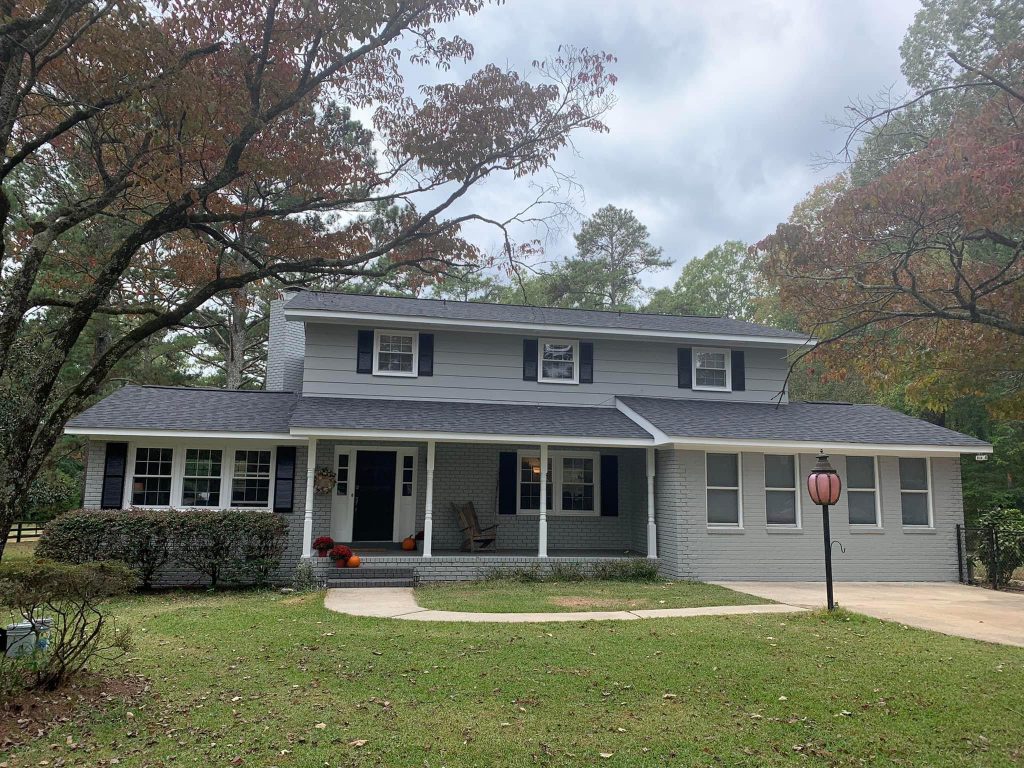
Testing exterior paint colors correctly is key to making an informed decision. Here’s how to do it:
-
Buy Actual Sample Pots: Never rely on paper swatches alone. Buy sample pots of the paint you’re considering to get a true feel for the color.
-
Paint Large Test Patches: Paint at least 2′ x 2′ squares on each major wall direction (north, south, east, and west). This will allow you to see how the color behaves in all lighting conditions.
-
Observe at Different Times of Day: Pay attention to the color in the morning, mid-day, and dusk. You might be surprised by how it changes.
-
Paint Directly on the Surface: Test your colors directly on the siding, not just on poster board. The material will affect how the color looks once applied.
-
Label Each Test Patch: It’s easy to forget which patch is which after a few days, so make sure to label them so you can compare them accurately.
By testing on multiple walls and at different times of the day, you’ll get the full picture of how each color works on your home.
How Many Colors Should You Test?
With so many colors to choose from, it’s easy to get overwhelmed. Here’s a smart strategy for narrowing down your options:
-
Narrow Down to 3–5 Finalists: Too many options will only confuse you. Start with 3–5 colors you really love and test those first.
-
Use a Color Strategy: Think about your home’s design. You’ll need to choose a primary color for the body, a secondary color for the trim, and an accent color for features like doors or shutters.
-
Don’t Forget Undertones: Be mindful of warm and cool undertones. Warm tones (yellow, red) and cool tones (blue, green) can drastically affect how the color looks on your house.
Tip: “Colors that look safe on a chip may look too bright or washed out on your actual home — always sample first.”
Common Mistakes to Avoid When Testing Exterior Paint Colors
Testing your exterior paint colors may seem straightforward, but there are common mistakes many homeowners make. Here are a few to avoid:
Testing Too Small
A tiny test swatch won’t give you a true sense of how the color will look on the entire exterior. Make sure your test patches are large enough to give you an accurate reading.
Ignoring the Primer/Base Color
If your home’s exterior has a bare or previously painted surface, applying primer is a must. A bare surface will absorb paint differently than a primed surface, leading to inaccurate results. Always apply primer first if needed to ensure consistent color application.
Testing Only on One Side of the House
You can’t judge a paint color based on just one side of your home. Colors look different in various lighting, so be sure to test on multiple sides of the house.
Making a Decision Too Quickly
Paint colors can change as you observe them, so take your time before making a final decision. Watch your test patches for several days to ensure you’re happy with the color in different conditions.
Skipping Color Coordination with Roof and Landscape
Don’t forget to consider how your paint color will complement the roof, landscaping, and other fixed features. Choose colors that work with the existing features of your home rather than against them.
How Professional Painters Can Help You Choose the Right Colors
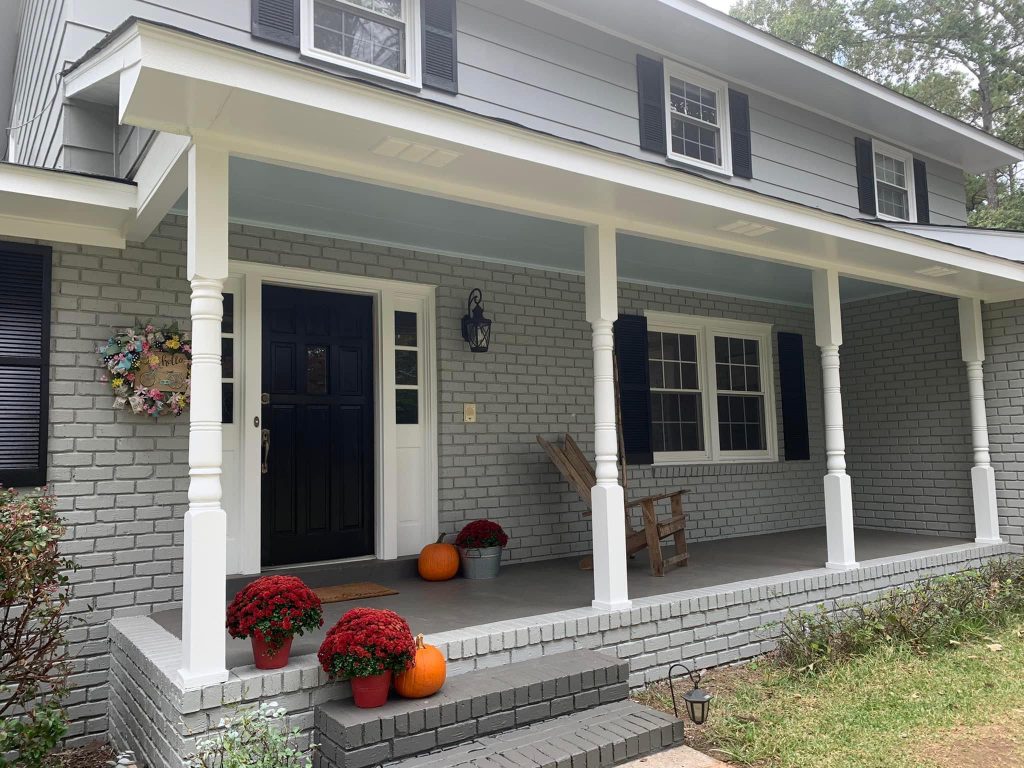
Choosing a paint color can be overwhelming, but professional painters can make the process much easier:
-
Expert Color Consultations: Experienced painters offer color consultations based on your home’s architectural style, your personal preferences, and even the resale value of your home.
-
Knowledge of Paint Brands and Formulas: They can help you choose the best paint formulas for Columbia’s climate, ensuring that your paint will hold up against the region’s humidity and temperature fluctuations.
-
Advanced Testing Tools: Many professionals use color visualization software to help you see how different colors will look on your home before you even start painting.
-
Advice on Sheen and Finish: The sheen you choose — matte, satin, or gloss — makes a big difference in how your paint will look and perform outdoors.
Pantone and the Role of Color Matching in Exterior Paint
Understanding how color works is essential when choosing the right exterior paint for your home. One important tool that professional painters and designers use for color selection is the Pantone Color Matching System. Let’s dive into what Pantone is, how it works, and why it’s important for your exterior paint project.
| Pantone Color System | What It Is | How It Works | Why It Matters for Your Paint Choice |
|---|---|---|---|
| Pantone Matching System (PMS) | A standardized color matching system used globally by designers and manufacturers. | PMS assigns a specific number to each color, ensuring consistency across different materials and industries. When a Pantone color is used, it guarantees that the exact shade will look the same, no matter where or how it’s applied. | Helps ensure the color you choose for your exterior is accurate and consistent. If you choose a specific Pantone color for your home, it will look the same when used in the paint. |
| Pantone Color Bridge | A tool used to translate Pantone colors into digital and physical paint swatches. | This bridge system allows designers and painters to view Pantone’s colors in both print and digital formats, offering a guide for matching with the paint or fabric. | Ensures that your color looks the same on various mediums, including your home’s exterior paint, fabric, or other materials. |
| Pantone Color of the Year | A yearly forecast that influences design and color trends worldwide. | Every year, Pantone announces a color that reflects global culture and design trends. This color is often used in fashion, home décor, and commercial design. | The Pantone Color of the Year can inspire the perfect trendy or timeless color for your home’s exterior, ensuring you stay on top of design trends. |
| Pantone Color Guide | A physical book that showcases over 1,000 colors and their variations. | Each color in the Pantone guide has a number, making it easy to choose specific shades and refer to them for consistency. It is the go-to tool for finding the exact color match. | A valuable resource for helping you choose the right shade for your home’s exterior. It offers a visual reference that gives you a perfect match before purchasing paint. |
Conclusion
Taking the time to test your exterior paint colors might seem like a lot of work, but it’s a small investment that can make a big difference in the final result. By following the right testing methods and considering your home’s unique features and surroundings, you’ll be able to choose a color you’ll love for years.
With patience and careful testing, you’ll avoid disappointment and enjoy a home exterior that looks stunning year after year.
Ready to transform your home but unsure where to start with color? Let Despres Painting help you choose, test, and apply the perfect exterior paint colors for lasting beauty. Contact us today for a free consultation!