

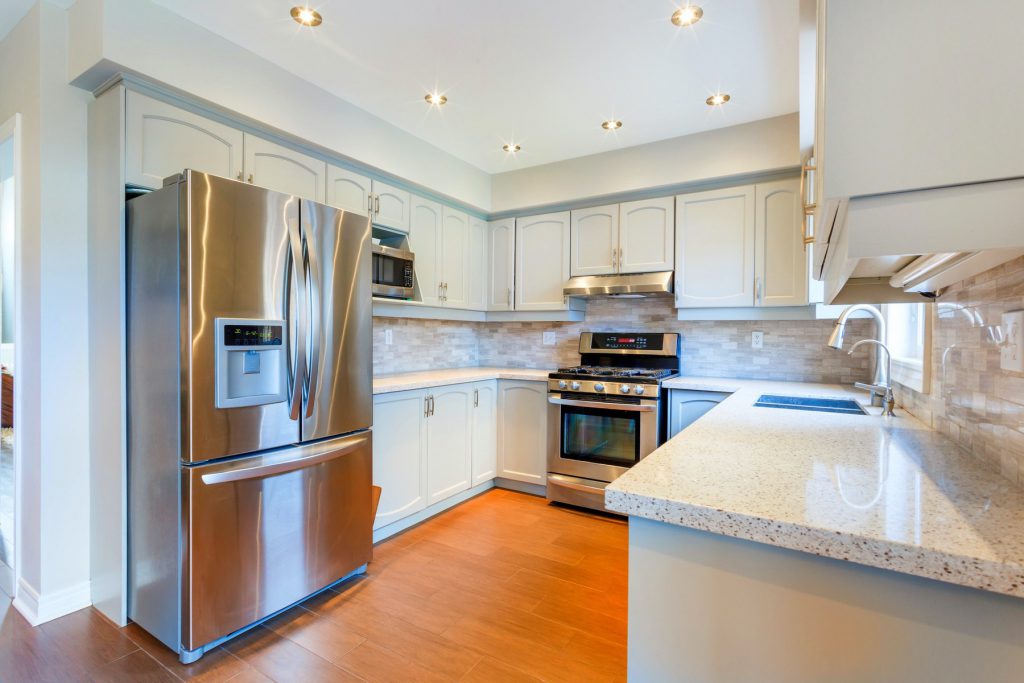
You spent good money on cabinet painting, picked out the perfect white, and your kitchen looked amazing. Fast forward a year or two, and those crisp white cabinets now have a dingy yellow tint. If you’re asking yourself “why do painted cabinets turn yellow,” you’re not alone. Homeowners across Lexington, SC face this frustrating problem every day.
Here’s the truth: yellowing cabinets aren’t about bad luck. They’re about chemistry, environment, and the type of paint used. When you understand cabinet paint yellowing causes, you can make better choices and keep your kitchen looking fresh for years.
Key Takeaways
Why Do Painted Cabinets Turn Yellow?
Let’s get straight to the science. White cabinet paint turning yellow happens because of a process called oxidation. When certain paints are exposed to air, the chemical compounds inside them break down. This breakdown creates a yellow tint that gets worse over time.
Oil-based paint yellowing on cabinets is the most common culprit. These paints contain linseed oil or alkyd resins that naturally turn amber as they age. The irony? Oil-based paints were once considered the gold standard for cabinet painting because they’re durable and create a smooth finish. But that durability comes with a price: your white cabinets won’t stay white.
The yellowing happens faster in areas that don’t get much light. Open a cabinet door that faces a window, and the inside might look perfectly white. But open one that’s tucked away in a corner, and you’ll see the yellow creeping in. Why are my kitchen cabinets yellowing more in some spots than others? Light exposure makes all the difference.
The Real Cabinet Paint Yellowing Causes
Heat and Humidity
Lexington, SC summers are hot and sticky. When temperatures rise and humidity climbs, your cabinet paint responds. Heat accelerates the chemical reactions that cause yellowing. Humidity adds moisture that can break down paint components even faster.
Kitchens take the worst hit. Between cooking steam, dishwasher heat, and regular humidity, your cabinets live in a challenging environment. That’s why why do painted cabinets turn yellow faster near stoves and sinks.
Poor Ventilation
When cabinets can’t breathe, yellowing happens faster. Closed doors trap heat and moisture. Tight spaces without airflow create the perfect conditions for paint to discolor. Interior cabinet surfaces yellow faster than exterior ones for exactly this reason.
Wrong Paint Type
Not all paints are created equal. Oil-based paint yellowing on cabinets is predictable and preventable. But many homeowners don’t know they have oil-based paint until the yellowing starts. Some painters still use oil-based products because they’re familiar with them, not because they’re the best paint for cabinets that won’t yellow.
Age of the Paint
Even the best cabinet painting job has a lifespan. Paint breaks down over time. The older it gets, the more likely it is to discolor. Most quality paint jobs last 8-10 years before needing a refresh, but yellowing can start much sooner with the wrong products.
Exposure to Grease and Smoke
Cooking creates airborne grease particles. They settle on cabinet surfaces and mix with the paint. Over time, this creates a grimy yellow film. While this isn’t the same as chemical yellowing, it makes the problem look worse.
Smoke from cooking also stains light-colored paint. If you cook frequently, especially with high heat, your cabinets absorb those particles. This accelerates the yellowing process.
How to Prevent Cabinet Paint from Yellowing
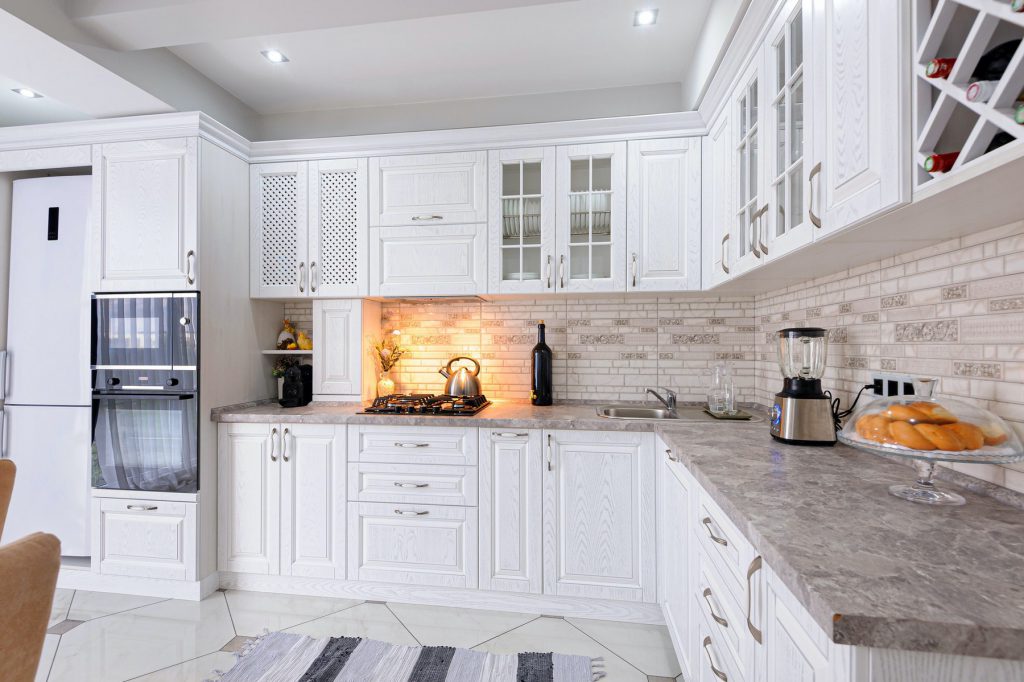
Now for the good news: you can stop yellowing before it starts.
Choose Water-Based Paint
How to prevent cabinet paint from yellowing starts with paint selection. Water-based paints (also called latex or acrylic paints) don’t have the oils that cause yellowing. They dry clear and stay clear. Modern water-based paints are just as durable as oil-based options, and they resist discoloration far better.
When planning your cabinet painting project, ask your contractor specifically about water-based options. Some painters prefer oil-based products because they’re used to working with them. But preference shouldn’t override performance.
Increase Natural Light
Light is your friend. Open curtains during the day. If your kitchen is naturally dark, consider adding under-cabinet lighting. More light means less yellowing. It’s that simple.
Interior cabinet surfaces need light too. Leave doors open when you can. Rotate which cabinets you use most often. The more air and light circulation your cabinets get, the better they’ll age.
Control Kitchen Humidity
Run your exhaust fan while cooking. Open windows when weather permits. Consider a dehumidifier if your kitchen stays consistently humid. In Lexington, SC, humidity control matters year-round, not just in summer.
Wipe down cabinets after cooking to remove steam and grease. A quick clean prevents buildup that can trap moisture against the paint surface.
Use Quality Primer
Cabinet painting done right includes proper surface prep. A high-quality primer creates a barrier between the wood and topcoat. This stops tannins from bleeding through and prevents the chemical reactions that cause yellowing.
Stain-blocking primers work best for cabinets. They seal the wood completely and give your topcoat a clean base to bond with.
Maintain Your Cabinets
Clean your cabinets regularly with a mild soap and water solution. Avoid harsh chemicals that can break down paint. Dry surfaces completely after cleaning.
Touch up chips and scratches quickly. Exposed wood can release tannins that create yellow stains. Keep your cabinet painting looking fresh by addressing small problems before they become big ones.
Best Paint for Cabinets That Won’t Yellow
Professional painters who care about long-term results use water-based acrylic or latex paints for cabinets. Brands that perform well include Benjamin Moore Advance, Sherwin-Williams Emerald Urethane, and PPG Break-Through. These paints are formulated specifically to resist yellowing while standing up to the daily abuse kitchens dish out.
Some painters mix in a hardener to boost durability. Others apply multiple thin coats instead of one thick coat. The technique matters as much as the product.
Why do painted cabinets turn yellow even with good paint? Sometimes it’s not the topcoat. It’s the primer or prep work underneath. That’s why hiring experienced professionals for cabinet painting makes such a difference.
When to Repaint
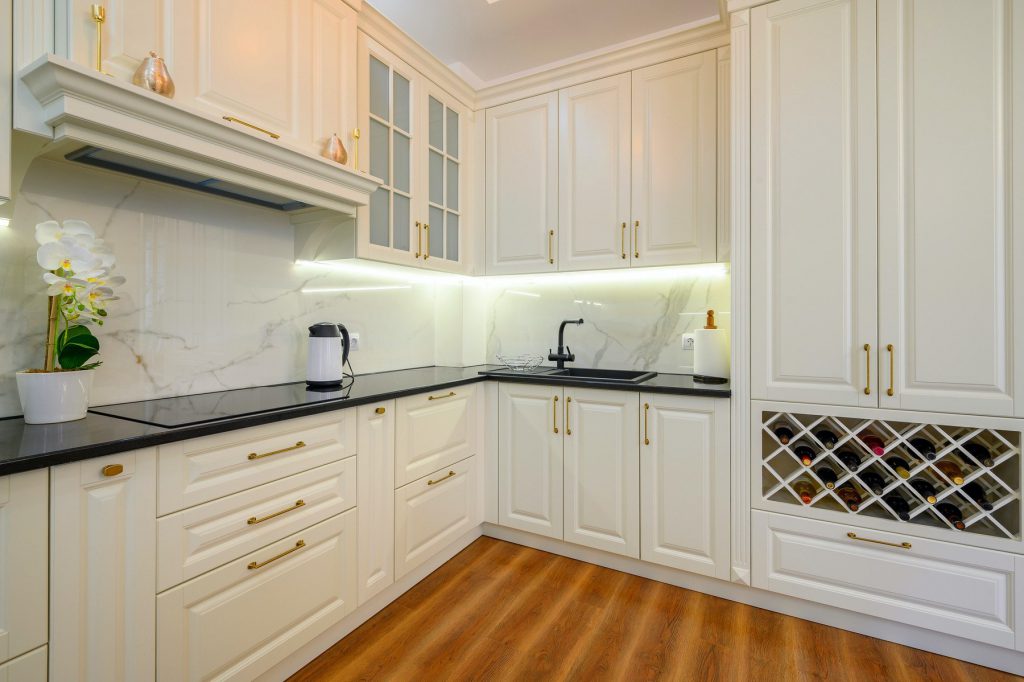
If your cabinets have already yellowed, cleaning won’t fix the problem. The discoloration is in the paint itself, not on top of it. You need a fresh coat.
Before repainting, identify what caused the yellowing. If it was oil-based paint, switching to water-based will solve the problem. If it was poor ventilation or humidity, address those issues before the new paint goes on.
Cabinet painting isn’t just about making things look nice today. It’s about making choices that keep them looking nice tomorrow.
Your Kitchen Deserves Better
You don’t have to accept yellow cabinets as part of life in Lexington, SC. When you understand why do painted cabinets turn yellow and how to prevent cabinet paint from yellowing, you can make informed decisions that protect your investment.
The right paint, proper prep, and professional application make all the difference. Your cabinets can stay bright, clean, and beautiful for years without that dingy yellow tint.
Ready to say goodbye to yellowing cabinets? Despres Painting specializes in cabinet painting that lasts. We use water-based paints designed to resist discoloration, and we prep every surface properly so your finish stays flawless. Call us at 803-991-4774 to schedule a free consultation. Let’s give your kitchen the upgrade it deserves—one that actually stays white.