

You picked the perfect color for your front door. Two summers later, it looks chalky, faded, and tired. Your color choice is rarely the issue. Columbia’s combination of UV and humidity is.
According to NOAA UV index forecast data, Columbia’s UV index reaches 7 from June through August, which is in the “high exposure” range. Combined with year-round humidity averaging 70%, standard exterior paint can fade within 2 to 3 years on south- and west-facing doors here.
This guide covers the six paint finishes that hold up to Columbia’s UV and humidity, the color strategies that fight fading, and the application timing that determines how long your finish actually lasts.
Key Takeaways
- Semi-gloss and satin finishes reflect more sunlight and resist fading better than flat paint.
- 100% acrylic latex paints with UV protection outperform oil-based options in the South Carolina sun.
- Lighter colors hold up longer than dark colors in Columbia’s intense sunlight.
- Surface preparation matters more than paint brand for door longevity.
- Professional-grade paints cost more upfront but deliver 2 to 3 times the lifespan of budget options.
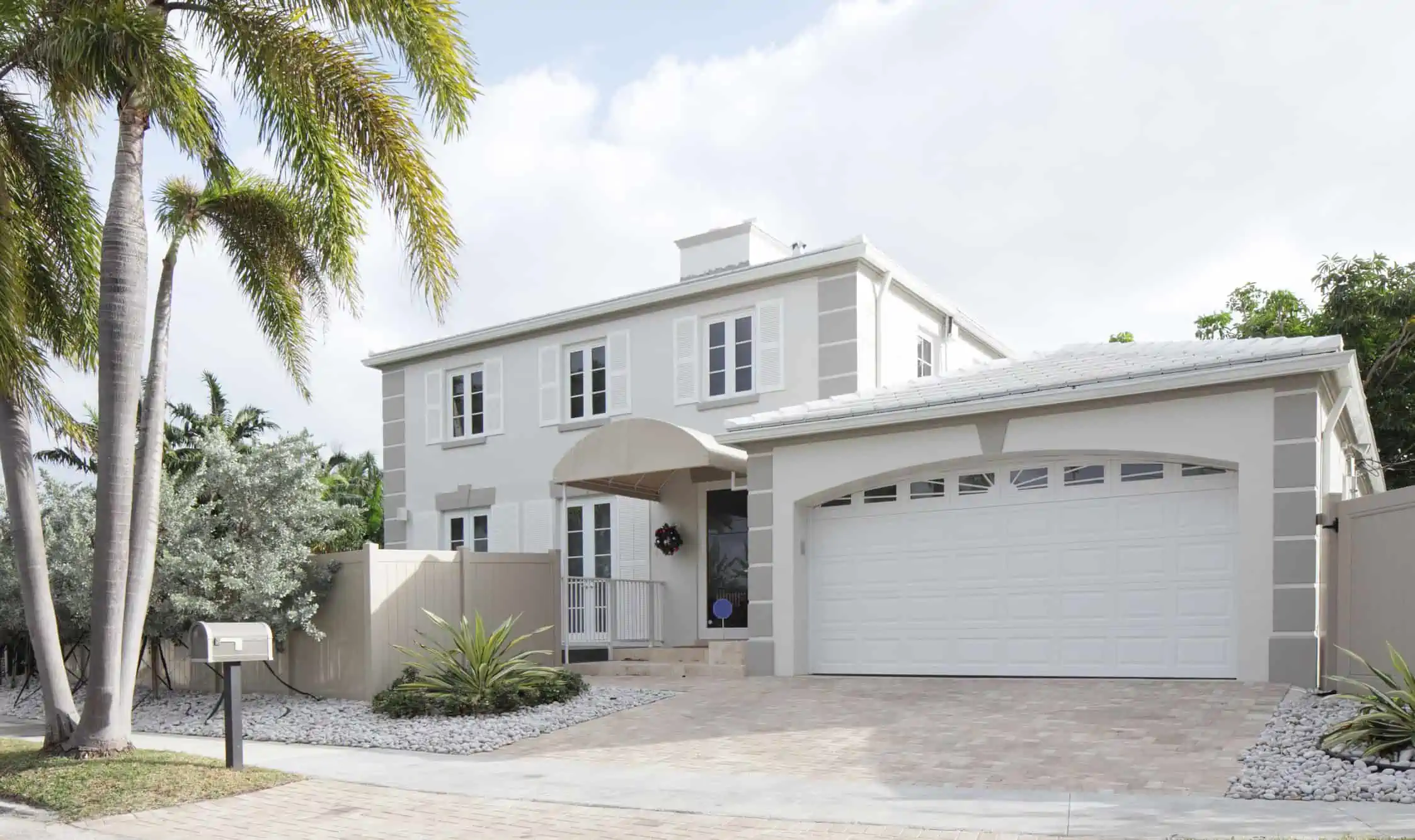
Why Front Door Paint Fades in Columbia’s Climate
Sunlight breaks down the chemical bonds in paint pigments. Over time, this produces a dull, chalky finish you can wipe off with a finger.
Your front door takes the worst of it because it is often the most exposed part of your home’s exterior. South- and west-facing doors absorb afternoon sun for hours each day during Columbia’s peak UV months.
Heat and Humidity Compound the Damage
Columbia’s combination of summer heat and 70% average humidity stresses paint in two ways at once. Heat causes the door substrate to expand and contract daily, which cracks paint that is not flexible enough to move with it.
Humidity slows proper paint curing, which produces a softer film that picks up dirt, mildew, and surface damage faster than properly cured paint.
Why a Faded Door Hurts Curb Appeal
Your front door creates the first impression of your home. Faded, chalky, or peeling paint signals neglect even when the rest of your home is well-maintained.
The frustration of repainting every 2 to 3 years is avoidable. The right finish, chemistry, sheen, and application can extend your door paint life to 7 to 10 years.
The 6 Best Fade-Resistant Finishes for Columbia Doors
1. High-Gloss Acrylic Latex
The higher the gloss level, the less likely the paint is to fade. High-gloss creates a hard, reflective surface that bounces UV away from the door instead of absorbing it.
The trade-off is that high-gloss highlights every brush mark, dent, and surface imperfection. It works best on new doors or doors that have been carefully prepped.
2. Semi-Gloss Acrylic Latex
Semi-gloss is the finish most professional painters recommend for Columbia front doors. It hits the balance most homeowners want: strong UV protection without the surface-flaw magnification of high-gloss.
Semi-gloss also handles humidity better than satin or flat finishes because the higher binder content creates a tighter film that resists moisture penetration.
3. Satin Acrylic Latex
Satin offers a subtle sheen that hides imperfections well. It performs adequately for doors that do not receive direct sun all day, like east-facing or shaded entries.
For full-sun doors, satin needs touch-ups every 4 to 5 years compared to 6 to 8 years for semi-gloss. Plan accordingly.
4. UV-Resistant Acrylic Formulations
Look for paints specifically labeled “UV-resistant” or “fade-resistant.” These contain UV absorbers and light stabilizers that act like sunscreen for your door.
The chemistry difference is real, not marketing. Standard acrylic without UV additives can fade noticeably within 2 to 3 years in Columbia. UV-formulated versions hold color for 6 to 10 years on the same door.
5. Premium Acrylic with Color-Lock Technology
Benjamin Moore Aura Exterior includes proprietary Color Lock technology that binds pigment more tightly to the resin matrix. The result is exceptional color retention even on south-facing doors.
Sherwin-Williams Duration and Emerald rate similarly for fade resistance. Expect 8 to 10 years of color hold on properly prepared doors with these products.
6. Acrylic Urethane Trim Enamel
Acrylic urethane combines latex flexibility with urethane hardness, which produces a self-leveling finish that holds up to both UV and physical wear.
Sherwin-Williams Emerald Urethane Trim Enamel is the top product in this category. It costs more than standard acrylic but delivers factory-grade durability on doors.
What to Look for When Shopping for Door Paint
Most paint failures trace back to choosing the wrong product, not bad workmanship. Three label details matter more than the price tag.
Check for UV Protection on the Label
Look for explicit “UV-resistant” or “fade-resistant” claims on the can. If the label does not mention UV protection, the product does not have meaningful UV protection.
This is the single most important detail when shopping for a Columbia exterior door paint.
Verify the Base Formula
Acrylic exterior paint outlasts other standard chemistries in South Carolina conditions. The acrylic resin creates a flexible film that expands and contracts with temperature changes without cracking.
100% acrylic formulations resist UV better than oil-based or vinyl-acrylic blends.
Match the Sheen to Your Door
For sun-exposed doors, satin or semi-gloss is the right starting point. These finishes contain more binders, which creates a harder, smoother surface that resists both moisture and UV degradation.
Flat paint is a poor choice for any exterior door. The porous surface absorbs UV and moisture instead of reflecting them.
Color Strategy for Columbia’s Sun
Color choice affects how long your paint lasts, not just how it looks.
Lighter Colors Reflect, Dark Colors Absorb
Whites and lighter neutrals deliver the most fade-resistant results. They reflect more solar energy and absorb less heat, which slows the chemical reactions that cause color loss.
If you want a color but still want longevity, choose a lighter shade within your preferred color family. A medium gray will outlast a charcoal gray on a south-facing door by years.
Dark Colors and the Maintenance Math
Dark colors in Columbia’s full sun typically need refreshing every 3 to 4 years. Light colors on the same door can last the full 7 years.
If you love dark, expect more frequent maintenance and budget for it. The right product can narrow the gap, but it cannot eliminate it.
Application Tips for Columbia Weather
Premium paint underperforms when applied at the wrong time or with the wrong prep. Three application factors determine actual lifespan.
Timing Around Heat and Humidity
Paint your front door in the early morning or late afternoon. Avoid mid-day application when both temperature and direct sun exposure are highest.
Avoid application when humidity exceeds 85% or when rain is forecast within 24 hours. High humidity prevents proper curing, which produces a soft film that fails early.
Surface Preparation Matters Most
Poor prep work causes more door paint failures than any other factor. The surface must be clean, dry, sanded, and primed.
The right paint primer that prevents paint failure creates the foundation that determines whether your topcoat lasts 3 years or 10.
Multiple Thin Coats
Apply 2 to 3 thin coats rather than one thick coat. Thin coats build a uniform film that handles Columbia’s UV and humidity without breaking down early.
For more on what proper exterior preparation looks like, see our breakdown of what is included in exterior paint project.
How Long Should Front Door Paint Last in Columbia?
With the right paint and proper application, expect 5 to 7 years from a quality door paint job in Columbia. Most premium exterior paints rate for 7 to 10 years, but doors in full sun tend toward the lower end.
What Affects the Timeline
- Door exposure: South- and west-facing doors fade faster than north-facing or shaded doors.
- Color choice: Dark colors may need refreshing every 3 to 4 years; lighter colors can last the full 7.
- Paint quality: Premium UV-protected paints outlast budget options by 2 to 3 times.
- Maintenance: Regular cleaning and prompt touch-ups extend paint life by 2 to 3 years.
Early Warning Signs
Watch for chalking (white powdery residue when you wipe the surface), color fading on south-facing exposure, hairline cracks in the film, or visible gloss reduction.
These signals appear 6 to 12 months before serious paint failure. Catching them early means a touch-up instead of a full repaint.
For a deeper look at chemistry trade-offs, see our oil vs latex exterior paint comparison.
Common Mistakes That Lead to Early Fading
Using Interior Paint
Never use interior paint on an exterior door, even one under a covered porch. Interior formulations lack UV protection and weather resistance entirely.
Interior paint on an exterior door fails within 12 to 18 months in Columbia’s climate.
Skipping Primer
A bonding primer helps the topcoat stick, especially on previously sun-damaged surfaces. Use primers specifically formulated for exterior use in harsh conditions.
For more on how skipped prep destroys paint jobs, see our breakdown of how poor surface preparation causes failure.
Choosing the Wrong Sheen
Flat paint hides door imperfections but underperforms under UV and humidity. The porous surface absorbs both moisture and UV instead of reflecting them.
Higher sheens highlight imperfections more, but they protect the door dramatically better. The trade-off is real and worth making.
Ignoring Manufacturer Instructions
Paint manufacturers test their products extensively for specific application conditions. Follow their guidelines for temperature, humidity, and recoat times.
Skipping the data sheet is the fastest way to invalidate a manufacturer’s warranty.
Maintenance Tips to Extend Paint Life
Even premium fade-resistant paint needs ongoing care to reach its full lifespan.
Annual Cleaning
Rinse your door with a garden hose once or twice a year to remove pollen, mildew, and airborne grime. For tougher stains, use mild detergent and a soft cloth.
Avoid pressure washing at high settings. Excess pressure damages the paint film and forces water under the surface.
Prompt Touch-Ups
Address small chips or scratches within a week or two. Once moisture gets under the paint film, the damage spreads quickly.
A small tube of matching paint kept in the garage prevents minor failures from becoming full repaints.
Watch for Early Signs
Chalking, color fading, or visible gloss reduction signals that paint is approaching the end of its lifespan. These signals appear 6 to 12 months before serious failure.
For more on identifying when a refresh is due, see our guide on signs you need exterior painting.
Why Professional Application Makes a Difference
Door painting can be a reasonable DIY project, but professional application produces longer-lasting results because of prep depth, primer selection, and weather timing.
What Professionals Bring
- Knowledge of how Columbia humidity affects paint cure times.
- Primer systems matched to local moisture conditions and door materials.
- Application thickness control for maximum UV protection.
- Weather scheduling that protects fresh coats from sudden rain.
For more on hiring quality, see our guide on what to watch when hiring painter.
You picked the right color. The finish protects that choice. Whether you need a single door refreshed or a full exterior repaint before the next round of Columbia summers, our team at Despres Painting will walk you through the products and timing that fit your specific door and your home. Call 803-991-4774 for a FREE estimate today.